We are committed to keeping our patients safe. See how we are increasing our safety measures to help fight COVID-19 here.
Pediatric Myopia Management

Pediatric Myopia Management

Pediatric Myopia Management

Pediatric Myopia Management

Pediatric Myopia Management
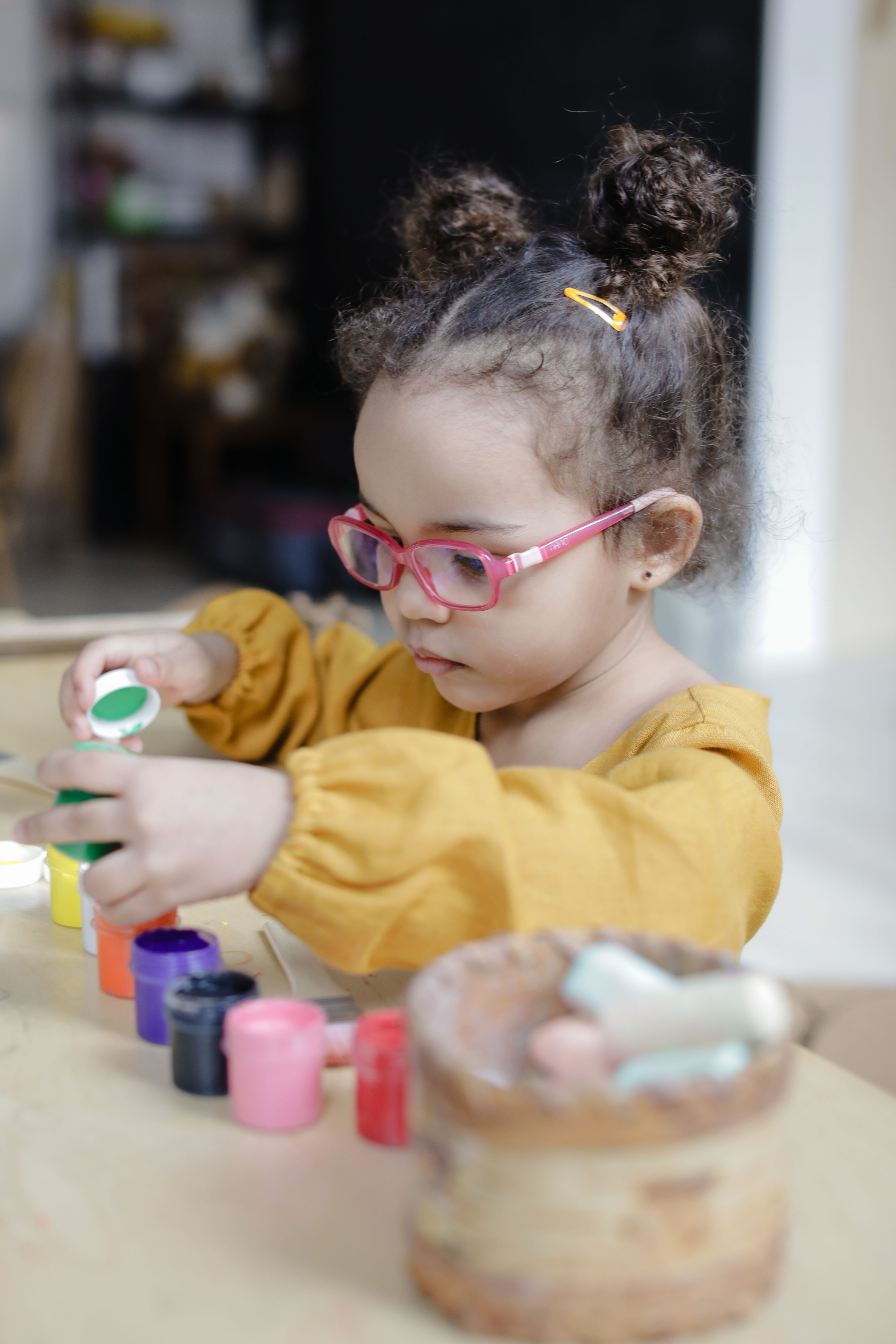
Pediatric Myopia Management
Help Protect Your Child's Vision as They Grow
If your child's glasses prescription seems to get stronger every year, you may be wondering whether there is anything you can do besides keep updating their lenses.
There is.
Myopia management is designed to do more than help your child see clearly today. It focuses on slowing the progression of nearsightedness as their eyes continue to grow.
At Eyes on Butterfield, we provide pediatric myopia management for children and teens in and around Oak Brook, Lombard, Elmhurst, Oakbrook Terrace and surrounding western suburbs.
Depending on your child's needs, treatment options may include MiSight contact lenses, Ortho-K/orthokeratology, Stellest lenses or atropine eye drops.
Our goal is to help you understand how your child's vision is changing and determine whether a proactive approach to myopia management makes sense for them.
What Is Myopia?
Myopia, commonly called nearsightedness, causes distant objects to appear blurry while closer objects may remain clear.
It often begins during childhood and can progress as a child grows. You may first notice that your child has trouble seeing the board at school, squints to see things in the distance or needs stronger glasses from one eye exam to the next.
Corrective glasses or contact lenses can help your child see clearly, but traditional vision correction does not necessarily address the progression of myopia itself. That is where myopia management is different.
Why Does Slowing Myopia Progression Matter?
For most parents, the immediate concern is simple: can my child see clearly? But when myopia continues to progress, there is another question worth asking: can we help slow it down?
Higher levels of myopia are associated with increased lifetime risk of certain eye-health complications. Myopia management focuses on slowing progression during the years when a child's eyes are still developing.
The goal is not to cure myopia but, rather, to manage how quickly it progresses and potentially reduce the degree of nearsightedness your child develops over time.
For parents, that means moving from simply reacting to the next prescription change to taking a more proactive approach to your child's long-term vision.
Is My Child at Risk for Myopia?
You don't have to wait until your child is struggling to see the board to start thinking about myopia.
Some children are at greater risk of developing nearsightedness, and identifying those risk factors early gives us an opportunity to monitor their eyes more closely.
Your child may benefit from an earlier myopia evaluation if:
- One or both parents are nearsighted, particularly if a parent has a high prescription. Myopia has a strong genetic component, and a child's risk increases when one parent is myopic and increases further when both parents are myopic.
- They spend significant amounts of time reading, studying or doing other close-up activities. Near work is associated with myopia, particularly when children work at very close distances or for long periods without breaks.
- They spend limited time outdoors. More time outdoors during childhood is associated with a lower risk of developing myopia.
- Their prescription is already changing from year to year.
- Their eyes are growing longer than expected for their age.
- They have less farsightedness than expected for their age. Children normally have some degree of farsightedness when they are young. Having less of this natural "farsighted reserve" can be an early indicator that a child is more likely to develop myopia.
We Can Monitor the Eye Before the Prescription Becomes High
At Eyes on Butterfield, we don't only look at whether your child can read the eye chart.
As a Myopia Management Treatment Center, we use advanced technology, including MYAH biometry, to measure the axial length — the physical length of your child's eye.
This is especially valuable for children with a strong family history of myopia. Even if your child does not yet need glasses, measuring their prescription and axial length gives us a baseline that we can follow as they grow.
If a child's eyes begin elongating more quickly than expected or their prescription begins shifting toward myopia, we can identify those changes early and discuss whether closer monitoring or myopia-management strategies are appropriate.
If Mom or Dad is significantly nearsighted — or especially if both parents are — we recommend having your child's eyes evaluated rather than waiting until they complain that they can't see.
Signs Your Child May Be Nearsighted
Children do not always realize that their vision is blurry. What they see feels normal to them. Signs of myopia may include:
- Squinting to see objects in the distance
- Difficulty seeing the board or smartboard at school
- Sitting unusually close to the television
- Moving closer to screens or other objects
- Complaining that distant objects look blurry
- Difficulty seeing clearly during sports or other distance activities
- Frequent changes in their glasses prescription
Myopia is often identified during a comprehensive pediatric eye exam, where we can evaluate your child's prescription, vision and overall eye health.
What to Expect From Myopia Management
Eyes on Butterfield is a Myopia Management Treatment Center with advanced technology specifically designed to evaluate and monitor children with myopia.
One of the technologies we use is the MYAH biometer, which allows us to measure your child's axial length — the physical length of the eye — with a high degree of precision. This technology is not available in every eye care office and gives us information that we cannot get from a glasses prescription alone.
Why is this important? Myopia progression is closely associated with the eye growing longer. A child's prescription can fluctuate from visit to visit, but axial-length measurements allow us to objectively track how the eye itself is growing over time.
During myopia management, we can repeat these measurements and compare them with your child's previous results. This helps us determine whether their eye growth is slowing as expected or whether their treatment plan may need to be adjusted.
By monitoring both axial length and prescription changes, we get a more complete picture of your child's myopia progression and can make more informed decisions about treatments such as MiSight, Ortho-K, Stellest lenses and low-dose atropine.
Our goal isn't simply to give your child a stronger prescription when their vision changes. It's to carefully monitor how their eyes are growing and take a proactive approach to slowing myopia progression.
Myopia Management Options for Children
There is no one-size-fits-all approach to myopia management. The right option depends on your child's age, prescription, rate of progression, eye health, lifestyle and comfort with a particular treatment.Eyes on Butterfield offers several approaches to managing childhood myopia.
MiSight Contact Lenses
MiSight 1 day contact lenses allow eligible children to see clearly while also helping slow the progression of myopia.They are soft, daily disposable contact lenses designed specifically for childhood myopia management. Because a fresh pair is used each day, there is no overnight lens cleaning or storage.
For children who are ready for contact lenses, MiSight can provide clear daytime vision while addressing the progression parents are concerned about.
MiSight 1 day is the first FDA-approved soft contact lens specifically indicated to slow myopia progression in children who meet the FDA treatment criteria.
Your child gets the vision correction they need today while their lenses also address myopia progression.
Ortho-K / Orthokeratology
For some children, clear daytime vision without glasses or daytime contacts can be part of their myopia management plan.Orthokeratology, commonly called Ortho-K, uses specially designed rigid contact lenses worn overnight.
While your child sleeps, the lenses temporarily reshape the front surface of the eye.
The lenses are removed in the morning, allowing many patients to see clearly throughout the day without glasses or traditional daytime contacts.
Ortho-K is also used as a strategy for slowing myopia progression in children. It may be particularly appealing for children who:
- Play sports
- Prefer not to wear glasses during the day
- Have difficulty with daytime contact lenses
- Are good candidates for overnight lens wear
Your child may be able to go through the day without glasses while also actively managing their myopia.
Stellest Lenses
If your child prefers glasses, myopia management does not necessarily mean switching to contact lenses.Stellest lenses are specialized eyeglass lenses designed to provide clear vision while helping slow the progression of childhood myopia.
They look and function like everyday eyeglasses, making them an appealing option for children who are not ready for contact lenses or simply prefer glasses.
Your child can continue wearing glasses while receiving a lens specifically designed with myopia progression in mind.
Atropine Eye Drops
For some children, myopia management does not involve a contact lens or a change in eyewear at all. Low-dose atropine eye drops are another option used to help slow the progression of childhood myopia.Atropine works differently from optical treatments such as MiSight, Ortho-K and Stellest and may be considered on its own or, in selected cases, in combination with another treatment.
Atropine works differently from MiSight, Ortho-K or Stellest, and may be considered on its own or alongside another approach depending on your child's needs.
Your child may be able to help slow myopia progression with a daily eye drop rather than a lens-based option.
Which Myopia Treatment Is Right for My Child?
You do not need to figure that out before you make an appointment. The best myopia management approach depends on your child's eyes, age, prescription, lifestyle and how their vision has been changing.
One child may be a good candidate for MiSight. Another may do well with overnight Ortho-K lenses. Another may find atropine eye drops fit their routine best. For another family, Stellest glasses may make the most sense.
During your child's evaluation, we can discuss the benefits and practical considerations of the appropriate options so you can make an informed decision for your child. The goal is to determine what makes sense for your child.
What to Expect From Myopia Management
Myopia management is an ongoing process rather than a one-time appointment.Once a treatment plan is established, your child will need periodic follow-up so we can monitor their vision and determine how their myopia is progressing. As your child grows, their vision and treatment needs may change.
Regular monitoring allows us to evaluate progress, answer questions and make adjustments when appropriate.
For parents, that means you are not simply waiting until your child tells you they cannot see the board again.
You have a plan for monitoring their vision as they grow.
Pediatric Myopia Management Near Oak Brook, Lombard and Elmhurst
Eyes on Butterfield is located at 17W615 Butterfield Road in Oakbrook Terrace, convenient to families in neighboring Oak Brook, Lombard, Elmhurst and communities throughout Chicago's western suburbs.If your child has recently been diagnosed with nearsightedness, their prescription continues to increase or you want to understand whether myopia management could be appropriate, we can help you understand your options.
Frequently Asked Questions About Childhood Myopia
Is myopia the same as nearsightedness?Yes. Myopia is the medical term for nearsightedness. A person with myopia typically sees nearby objects more clearly than objects farther away.
Can myopia be cured?
There is currently no cure for myopia. Glasses and contact lenses can correct blurry vision, while myopia management treatments are designed to help slow progression.
Does my child still need glasses or contacts during myopia management?
Your child will still need vision correction, though the type depends on the treatment selected. MiSight uses daytime contact lenses, Ortho-K lenses are worn overnight, Stellest provides myopia management through eyeglasses, and atropine eye drops are the one option that does not require a lens change at all.
When should I ask about myopia management?
If your child has been diagnosed with myopia, particularly if their prescription continues to increase, it is reasonable to ask whether myopia management may be appropriate. A comprehensive pediatric eye exam is the best way to check your child's vision and discuss next steps.
Is myopia management right for every child?
Not necessarily. Treatment recommendations depend on your child's prescription, eye health, age, progression and other individual factors. An evaluation is the best way to determine which options are appropriate.
Take the Next Step for Your Child's Vision
If your child's nearsightedness is progressing, you do not have to simply wait for the next stronger prescription. A pediatric myopia management evaluation can help you understand how your child's vision is changing and whether there are options to help slow that progression.Schedule a Myopia Management Evaluation

All Eye
Care Services

Keep
In Touch

Our Services
Contact Info
Hours of Operation
- Monday 9:00 AM - 7:00 PM
- Tuesday 9:00 AM - 5:00 PM
- Wednesday 9:00 AM - 6:00 PM
- Thursday 9:00 AM - 5:00 PM
- Friday Closed
- Saturday 8:00 AM - 1:00 PM
- Sunday Closed
© 2026 Eyes on Butterfield. All rights Reserved. Accessibility Statement - Privacy Policy - Sitemap
Powered by:

